
© MYHΣ 2026. All rights reserved.

Activities

SHPP AGIA

Preparing for a safe walk in the countryside

Avoid small and unexpected dangers and prepare properly to enjoy the magic of nature.

Learn more  

Checking the local weather forecast

A meteorological station has been installed at the SHPP providing useful and detailed minute-by-minute information about the local weather conditions.

Learn more  

Familiarization activities for school classes

The SHPP of Agia offers a range of educational activities in order to help students get familiar with the concept the power station’s operation.

Learn more  

Preparation before an educational field trip

Learn more  

“The physics experiments were amazing— the children turned into engineers! Such a useful workshop!”

Erasmus Group, Poland and the Czech Republic

Conducting an Experiment

Design: Nikos Anastasakis, Laboratory Center for Natural Sciences (LCNS) of Chania

Implementation: Sofia Grammatika

Energy Conversions

Level: From 5th Grade (Primary School) to Junior High School

Duration: 40 minutes
Participants: Up to 12 students

Method: An activity using an interactive digital worksheet on a mobile phone or tablet, guiding students step by step.

Objective: Understanding the process of converting mechanical energy (potential & kinetic) into electrical energy.

Description: Visitors, in groups of up to 4, complete a step-by-step activity in four stages. They are guided through the process by the digital worksheet with the support of their teacher and the museum's coordinator.

The Energy Conversion Process

Stage 1

I use two batteries and a galvanometer to observe the presence and flow of electrical energy. I then repeat the investigation using a moving magnet and a coil to understand how their relative motion can generate electricity.

Stage 2

I use a marble that falls from a height, move the magnet, and discuss the energy conversions involved.

Stage 3

Instead of using a marble and a simple magnet movement, I use water and continuous rotation of the magnet in front of the coil, demonstrating a model based on the operating principle of a hydroelectric power plant.

Stage 4

Summarize the previous steps through an interactive video simulating the operation of a hydroelectric power plant.

“An exciting STEAM experience! We will never forget it!”

Tsikalaria Primary School


STEAM at the Power Plant

Design: Nikos Afentakis

Implementation: Sofia Grammatika

Level: 3rd–4th Grade, 5th–6th Grade (Primary School), and 1st Grade of Junior High School

Duration: 90 minutes per group

Participation: Up to 15 students per group

During the original STEM workshops at the SHPP, children build a traditional Greek windmill, a water-pumping windmill, and a wind turbine using authentic LEGO bricks!

Each LEGO kit is unique and includes a number of pieces for countless creations. All the necessary components are provided, allowing each group to test their skills either by following instructions or by applying their own creative ideas.

EDUCATIONAL PROGRAMS

Design/Implementation of experiential programs: Marilena Pantelaki

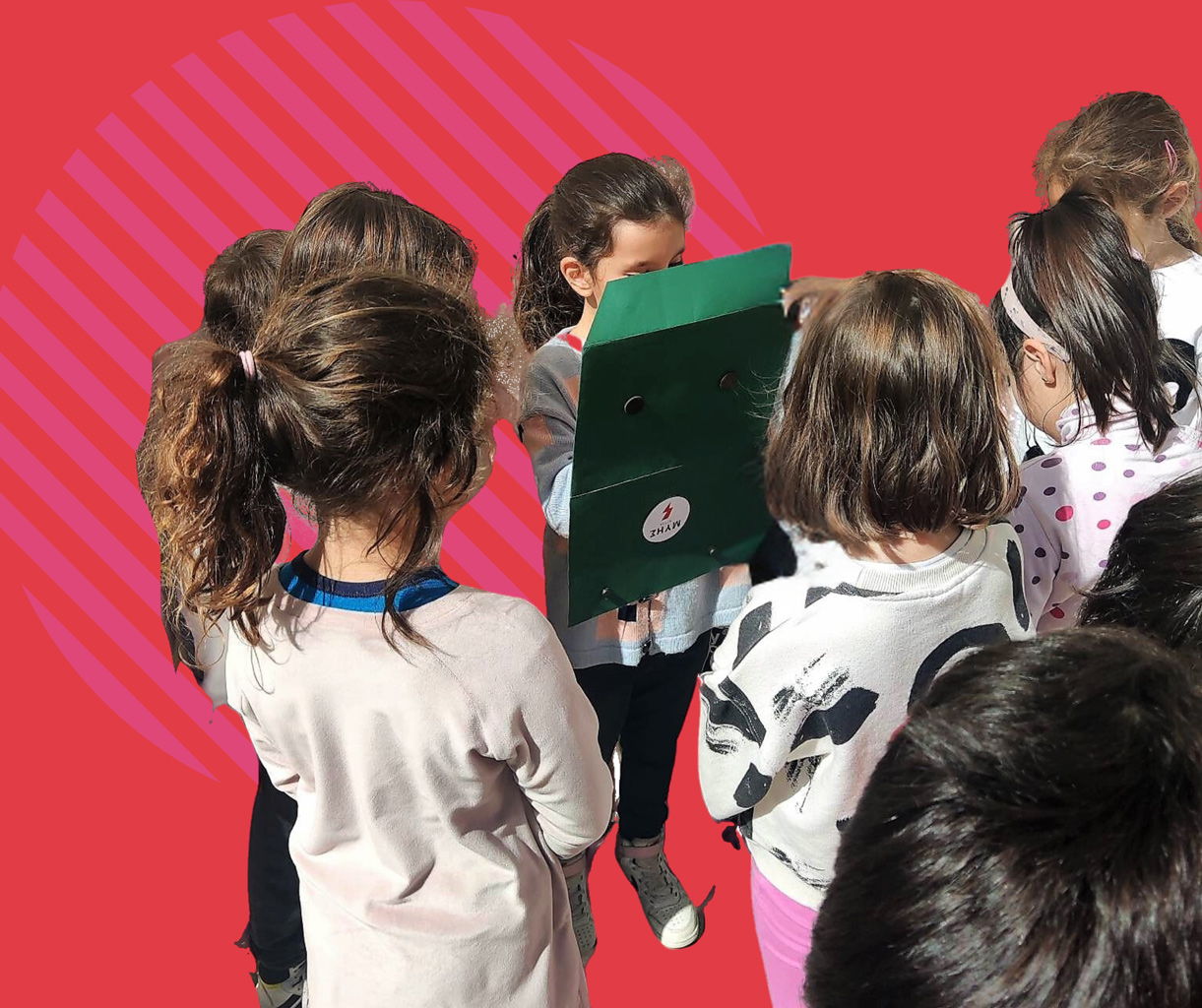
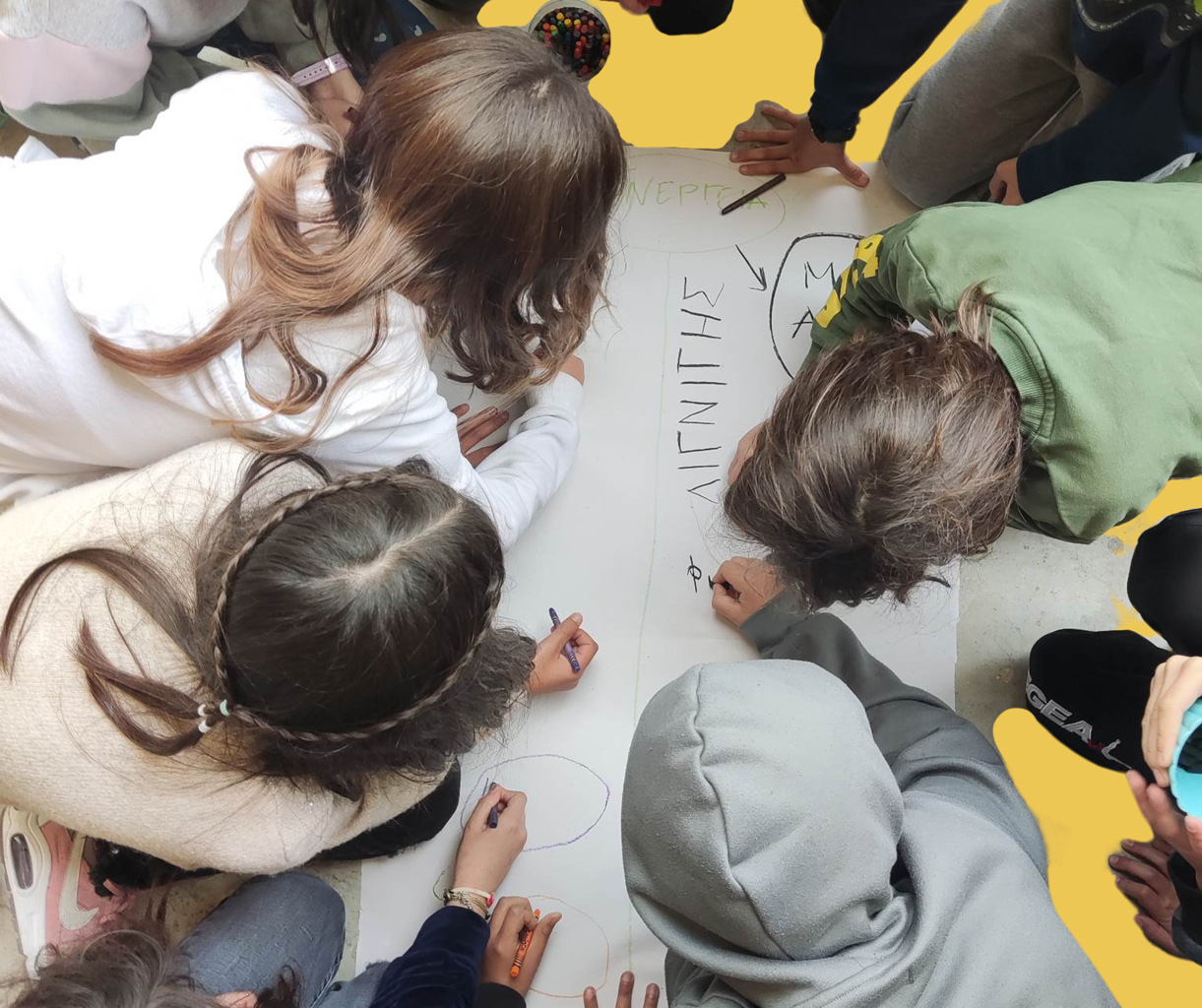
The educational programs at the former Hydroelectric Power Plant are designed to promote learning through experience, play, and enjoyment. Tailored specifically to the unique environment of the station and grounded in the philosophy of “learning by playing,” they provide children with the opportunity to explore knowledge actively and engagingly, through cooperation, discovery, and hands-on experiences.

“Thank you for the wonderful and interesting educational program! The students were thrilled!”

Asi Gonia Primary School, Apokoronas

A WALK AT THE STATION!

Level: Kindergarten

Duration: 25 minutes

Participation: Up to 15 students

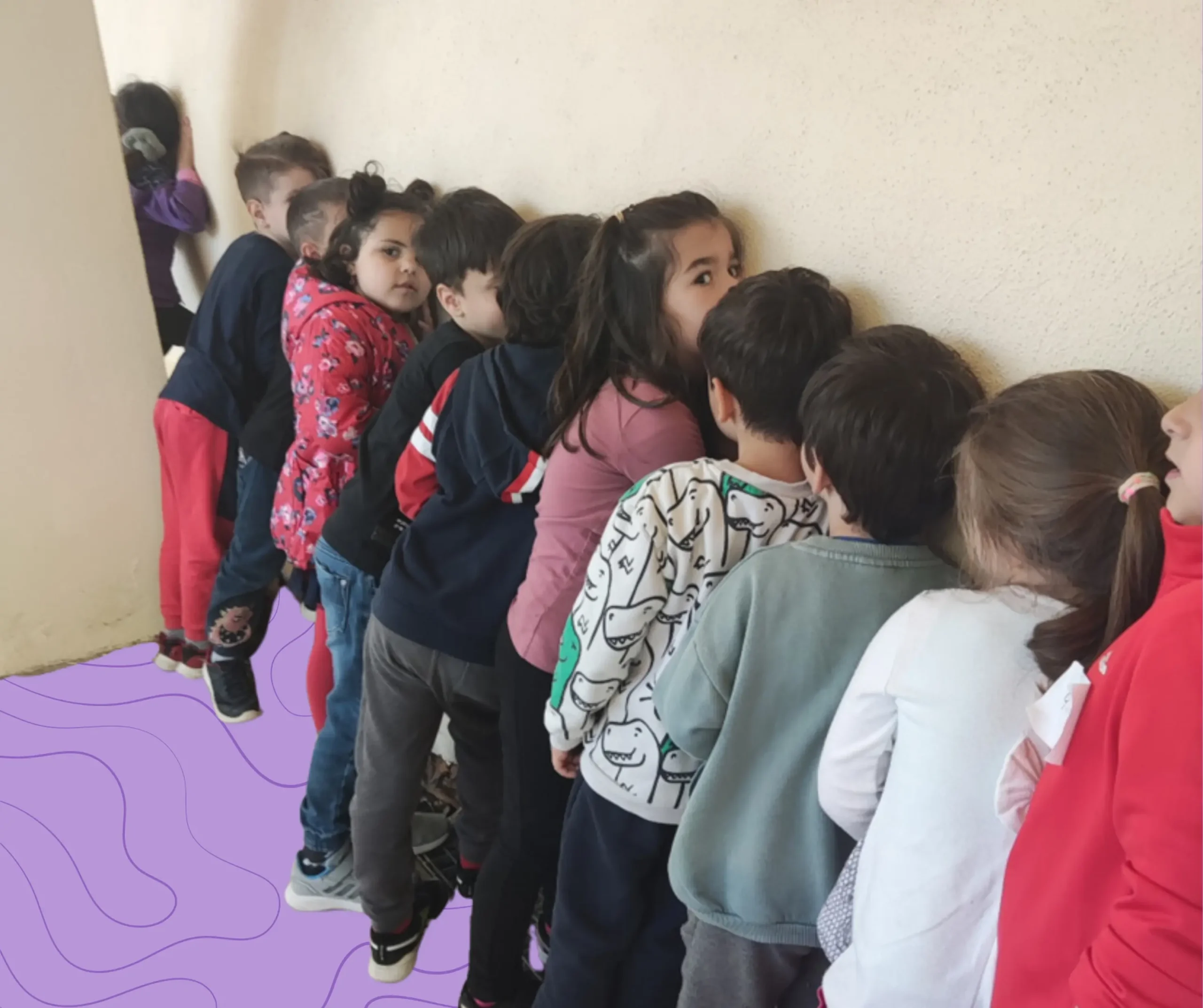
Kindergarten students participate in a guided walk to learn about the water cycle and understand how water helps the building function properly.

The walk concludes with a hands-on activity related to the water cycle, allowing students to reinforce their understanding through an interactive task.

HEY HO! DRIVE THE WATER!

Level: Kindergarten

Duration: 25 minutes

Participation: Up to 15 children

“By Tutatis, what’s happening?” A noisy band of pirates aboard their creaky galley has discovered that the water below deck has stopped flowing! 

The children become pirates and learn the path of the water inside the Small Hydroelectric Power Plant Agia! Where does the water come from, and where does it end up?

BEEΒOT ACTIVITY

Level: Kindergarten - 1st Grade of Primary School

Duration: 20 minutes

Participation: Up to 16 students

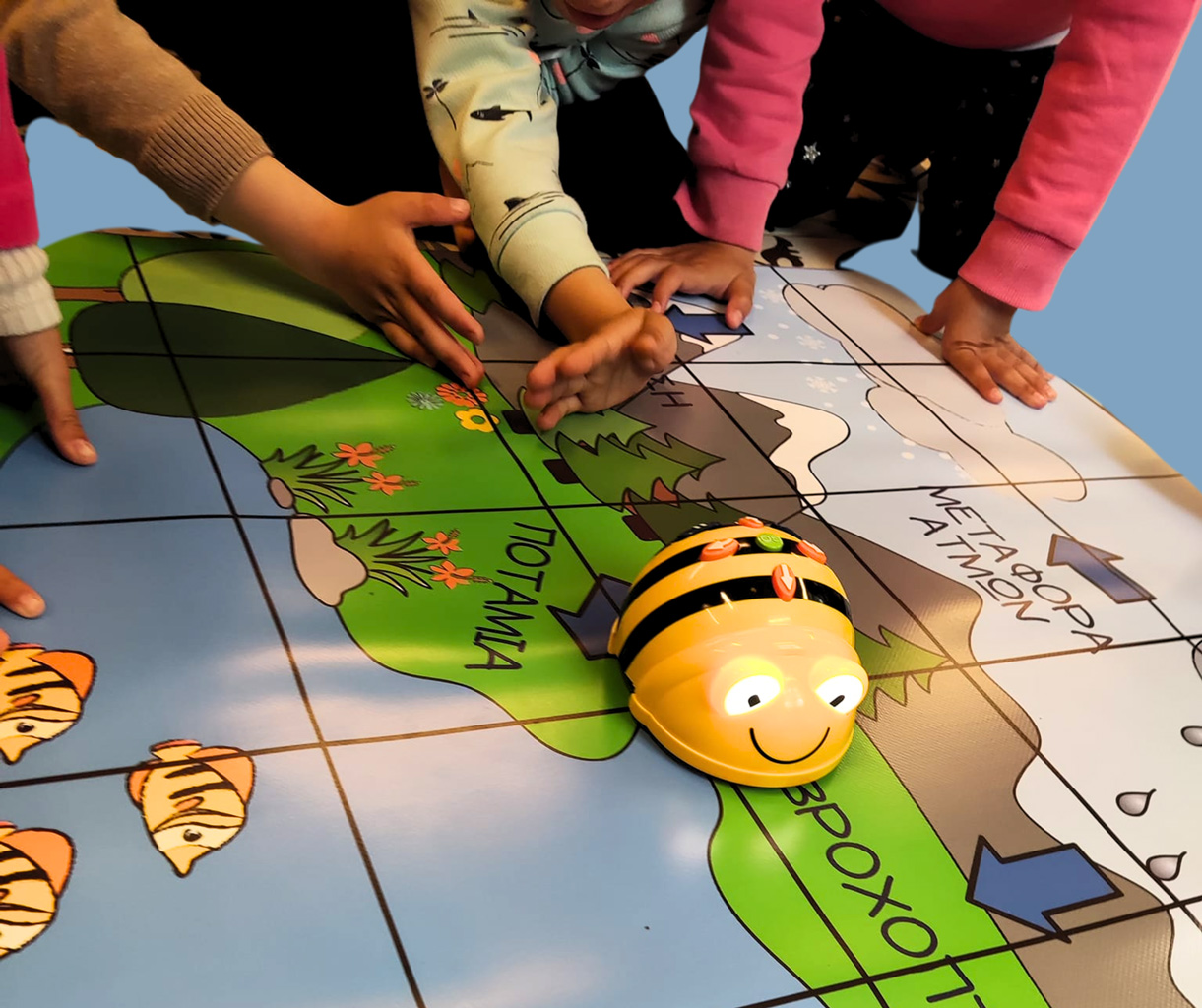
For the first time, STEAM educational robotics programs are offered for children aged 4 to 6. In this program, the robot bee teaches students about the water cycle. With its simple, child-friendly design, BeeBot is a perfect starting point for teaching programming languages!

This activity is part of the skills workshops by the Institute of Educational Policy (IEP) titled “Little Meteorologists”!

LIGHT UP THE WORLD!

Level: 1st – 2nd Grade (Primary School)

Duration: 60 minutes

Participation: Up to 20 students

Through an interactive game, young visitors discover how energy is produced and how it "travels," gaining a simple and enjoyable understanding of energy flow and how electric current works.

BLACKOUT: MYSTERY AT THE STATION!

Level: 3rd – 4th Grade (Primary School)

Duration: 45 minutes

Participation: Up to 15 students

The Small Hydroelectric Power Plant Agia stopped operating, plunging the city of Chania into darkness! Which brave students will find the solution to bring light back to the town?

In this action game, students travel back in time and face a major blackout! Will they solve the puzzles and get the station running again?

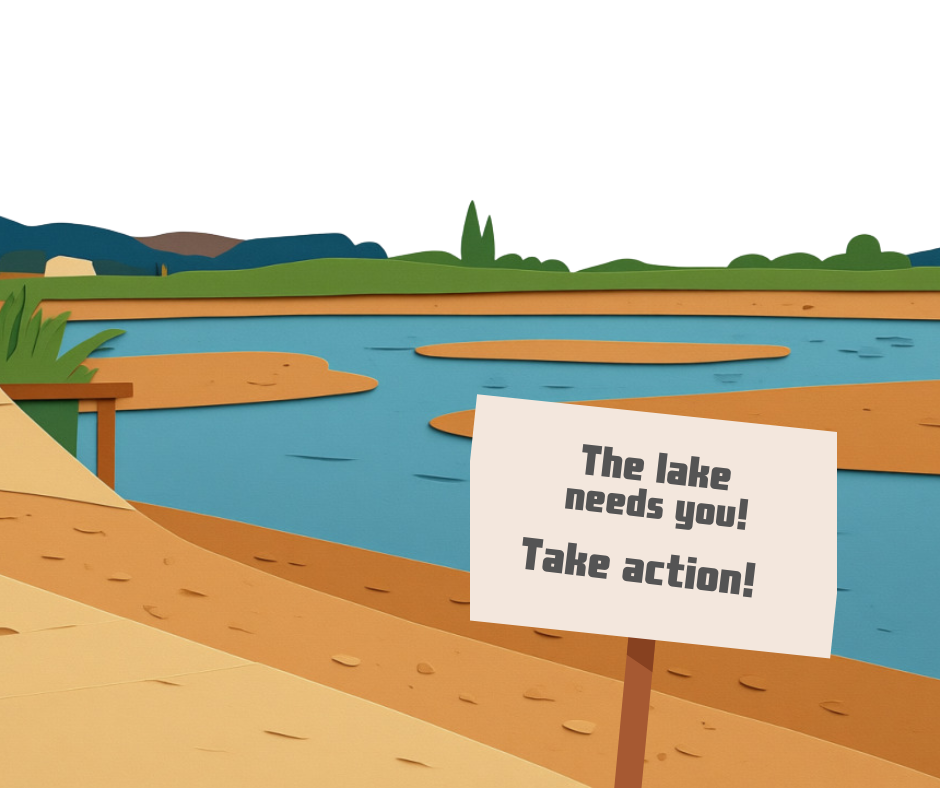
GETTING TO KNOW THE LAKE AND TAKING ACTION

Level:  2nd – 4th Grade (Primary School)

Duration: 60 minutes

Participation: 20 students

Through play and hands-on activities, students actively help keep our lake clean, vibrant, and safe!

By participating, exploring, and working together, they develop environmental awareness, a sense of responsibility, and a lasting respect for nature.

THE SMALL HYDROELECTRIC POWER PLANT AGIA INTRODUCES US TO ENERGY AND ITS SOURCES

Level: 5th – 6th Grade (Primary School)

Duration: 60 minutes

Participation: By appointment

How does the SHPP operate and generate electricity? Can we help reduce energy waste? How important is electricity in our lives?

These questions are answered in the program designed for 5th and 6th-grade students!

EXPLORERS AT THE STATION!

Level: 1st – 3rd ( Middle School)

Duration: 1.5 hours

Participation: Up to 25 students

What connection do PPC, Renewable Energy Sources, and the Marshall Plan have with the Small Hydroelectric Power Plant Agia? What might Thomas Edison have said to Nikola Tesla upon discovering he was his greatest competitor? How did PPC manage to promote electricity use even in the most remote areas of Greece?

In this activity, students become researchers, exploring and studying the hidden aspects of the SHPP of Agia!

EDUCATIONAL TOURS

Level: 1st – 3rd (High School)

Duration: 45 -60 minutes

Participation: By appointment

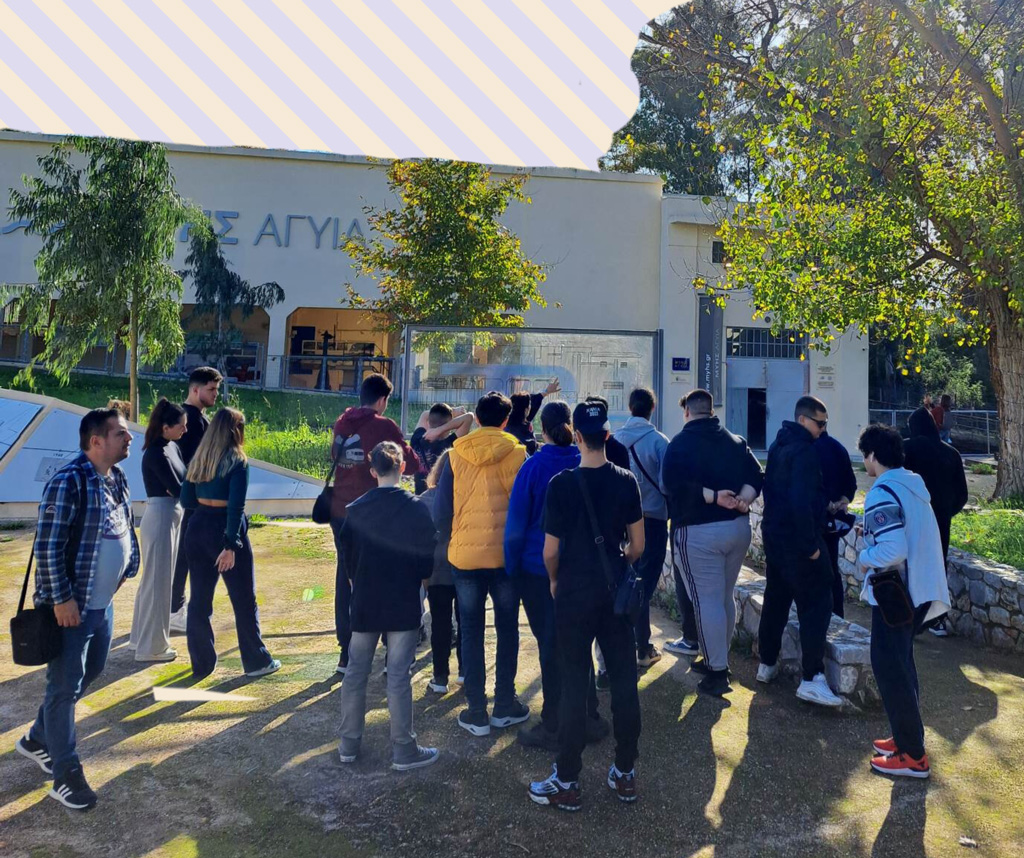
Organize a school visit to the Agyia Hydroelectric Power Plant and give your students a unique, hands-on educational experience.

During the visit, specialized staff will guide students through the plant’s facilities, introducing them to the history of the site and explaining how hydroelectric power is generated and used.

If you wish, you can tour the Small Hydroelectric Power Plant using an augmented reality application on tablets provided by our office.

(The English version of the app is coming soon...)

Take a closer look here

Sensory bags improve the experience at SHPP Agia

Design & editing: Marilena Pantelaki

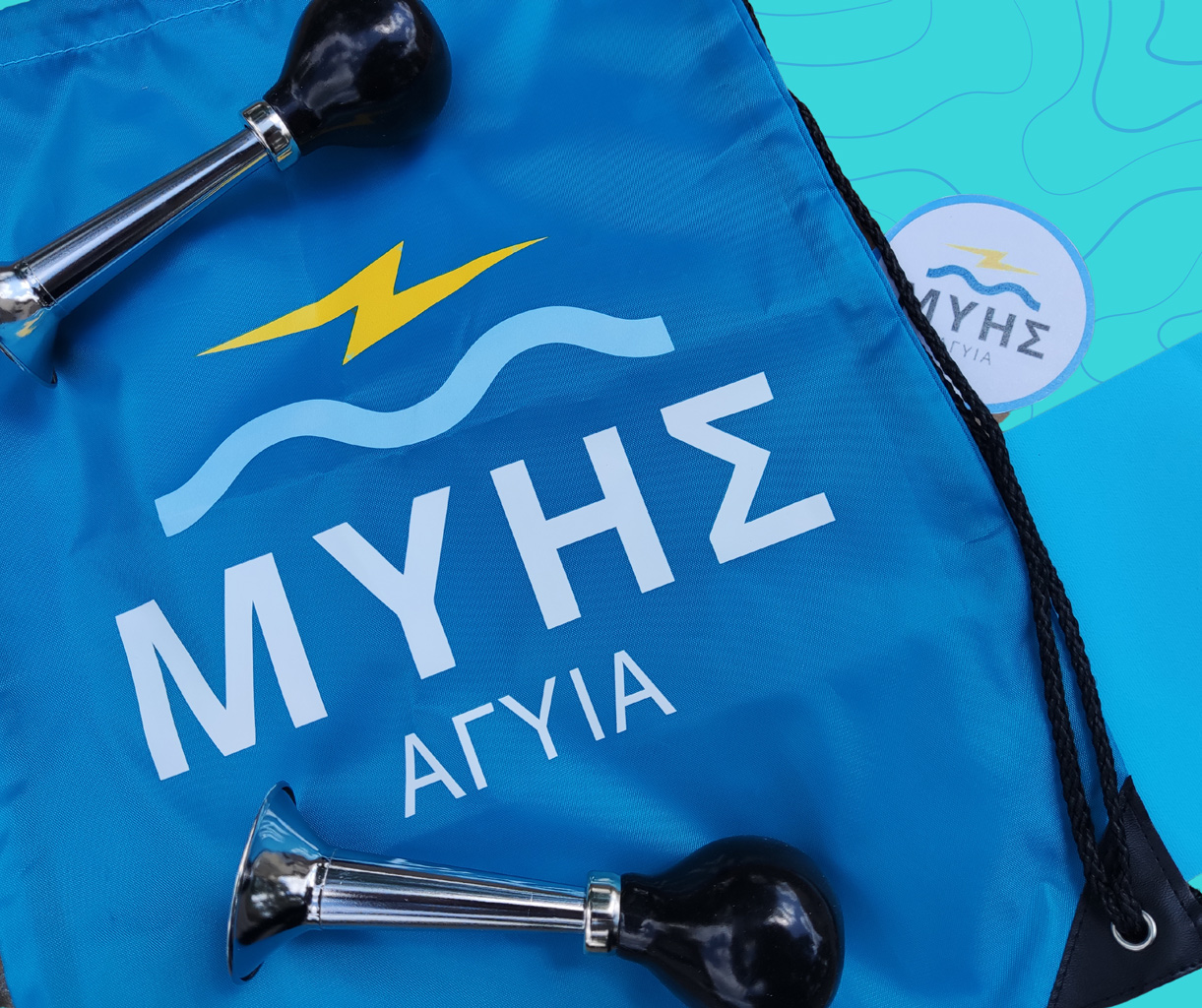
When you visit the Small Hydroelectric Power Plant, you may encounter four new “sensory bags.”

These special backpacks are designed for a selected and beloved audience: children with additional sensory needs. They contain a variety of fun, interactive resources to help slow down the museum experience, reduce or awaken stimuli—such as anxiety, incomprehension, or sensory overstimulation—allowing young visitors to explore the exhibition at their own pace.

Neurodiversity matters to us, and every visitor’s experience is equally important!

Come and explore SHPP Agia autonomously and quietly, and enjoy the exhibition in a way that feels just right for you.
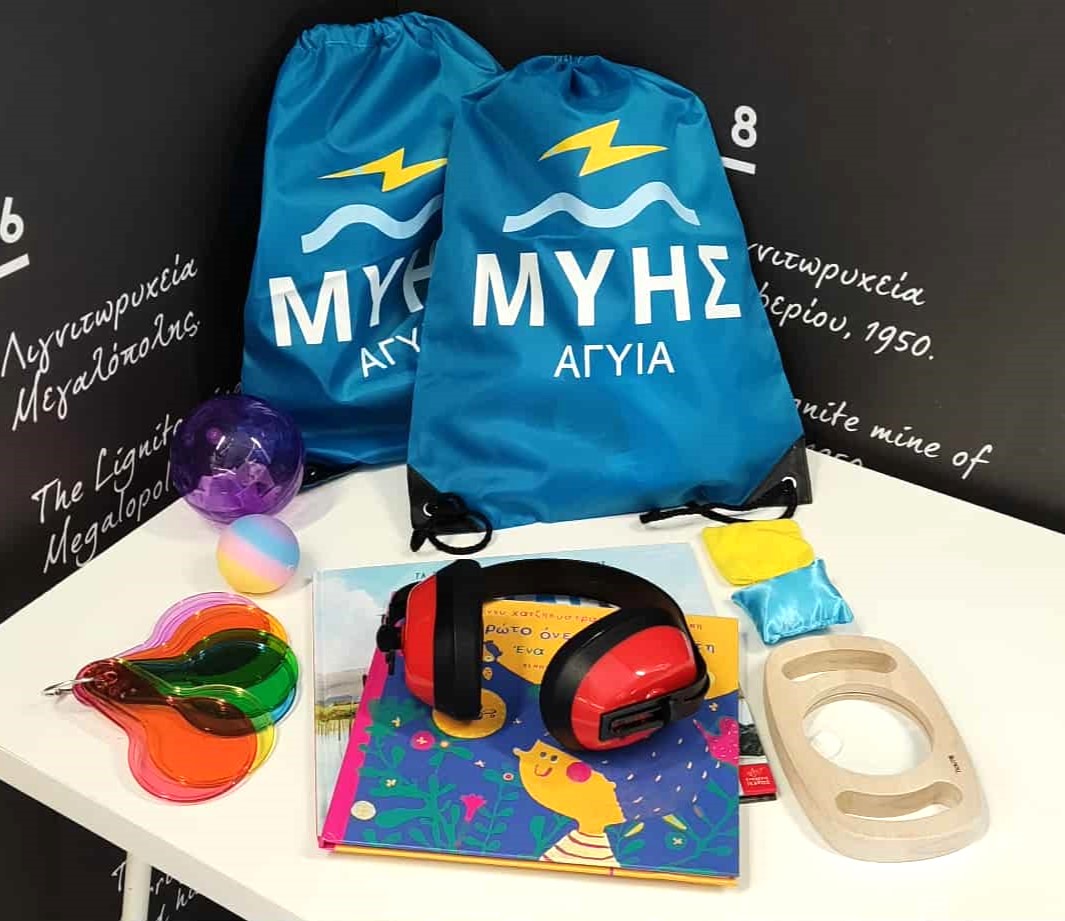

The “sensory bags” are now available at the Activities Building office and can be picked up free of charge during your visit!

GUIDED TOURS

Follow a guided tour

“Everything was wonderful! The atmosphere was amazing, and the energy of your team was incredible! Thank you for the excellent tour and hospitality!”

Sophia and Stefanos

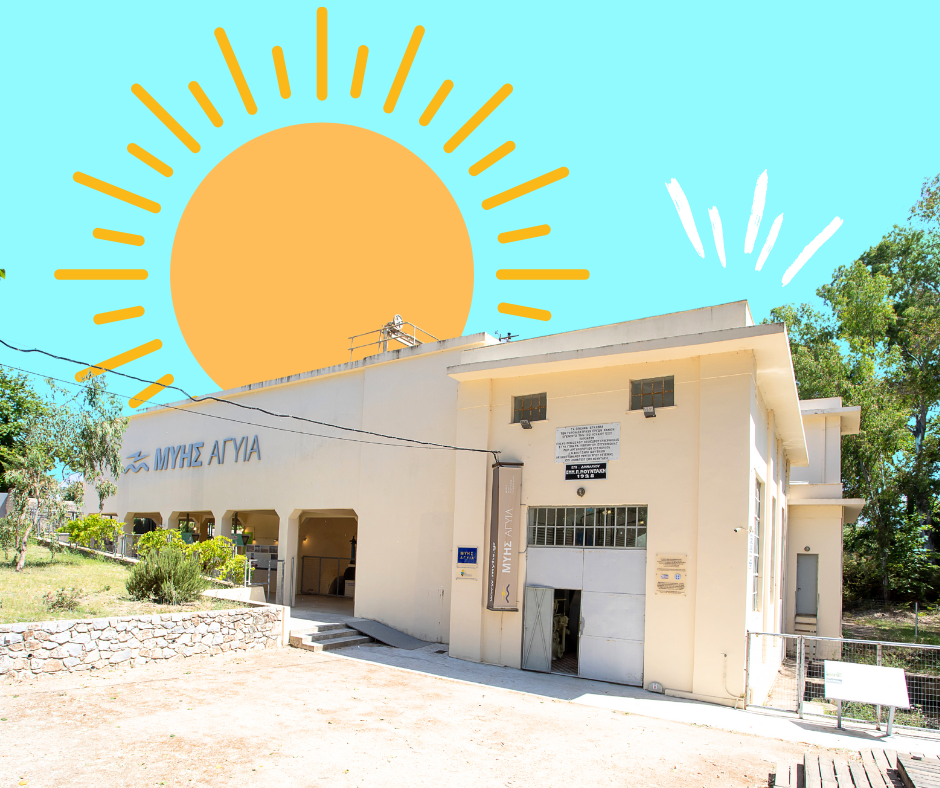
Visit the former Small Hydroelectric Power Plant Agia and discover its history through guided tours designed for adult audiences. Have a tour with the experienced guides of the SHPP Agia team, and explore the rare mechanical equipment of Crete’s first power station, which generated electricity using the power of water.

Share your thoughts and questions with us at [[email protected]](mailto:[email protected]).


Or discover the station through an interactive tour!

                                   THE ENGLISH VERSION IS COMING SOON...  

Duration: Self-guided       

Interactive tours using augmented reality (AR) and other digital media enrich the visitor experience at SHPP Agia, offering a modern, immersive way to learn about the Station's history and operations.

Through an augmented reality application, visitors can explore the museum spaces, scan designated markers, and access rich digital content, including video documentaries and interactive information. At the same time, the use of a tablet during the tour allows visitors to visualize analytical diagrams, energy flows, and key components of the installation, making the learning experience clearer and more engaging.

Request a SHPP tablet or download the “SHPP AGIA - Guide” application on your mobile phone and explore the site independently.

- The design and development of the application were carried out by Aegean Solutions SA

- The project study and supervision were undertaken by Marilena Pantelaki


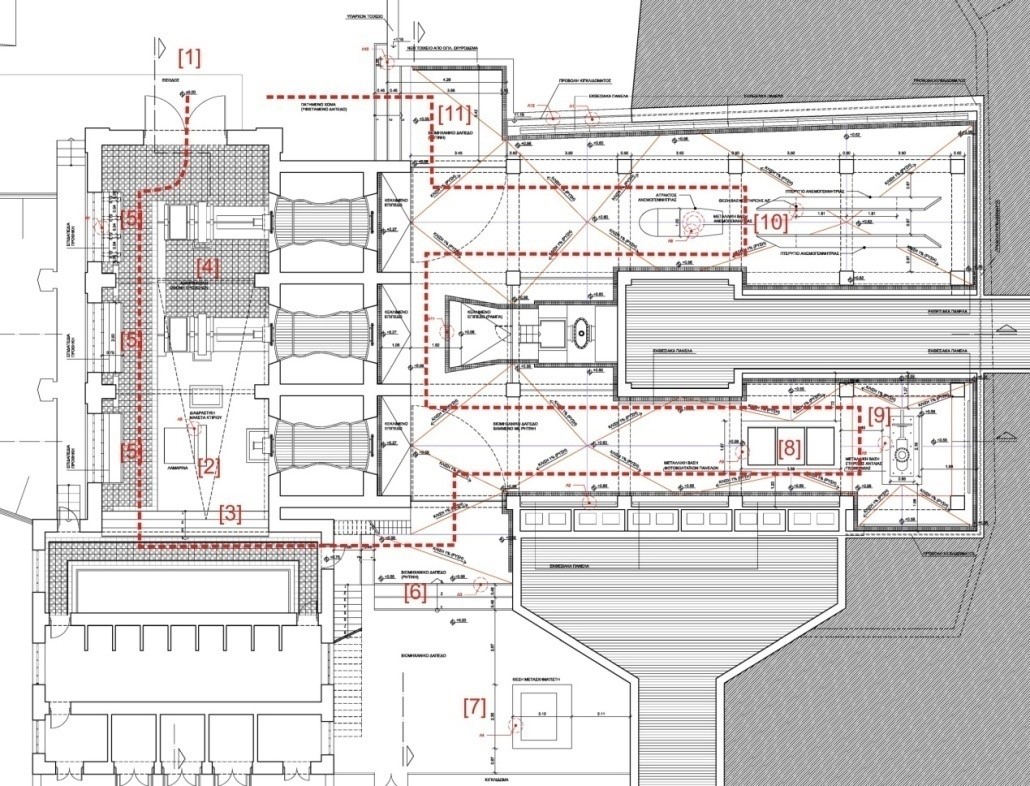
Autonomous navigation is supported by interactive technologies, while the map highlights the individual interaction points throughout the exhibition

The visitor’s route through the interior and the pilotis. Source: Archive of A. Vazakas – M. Mandalakis

TOP