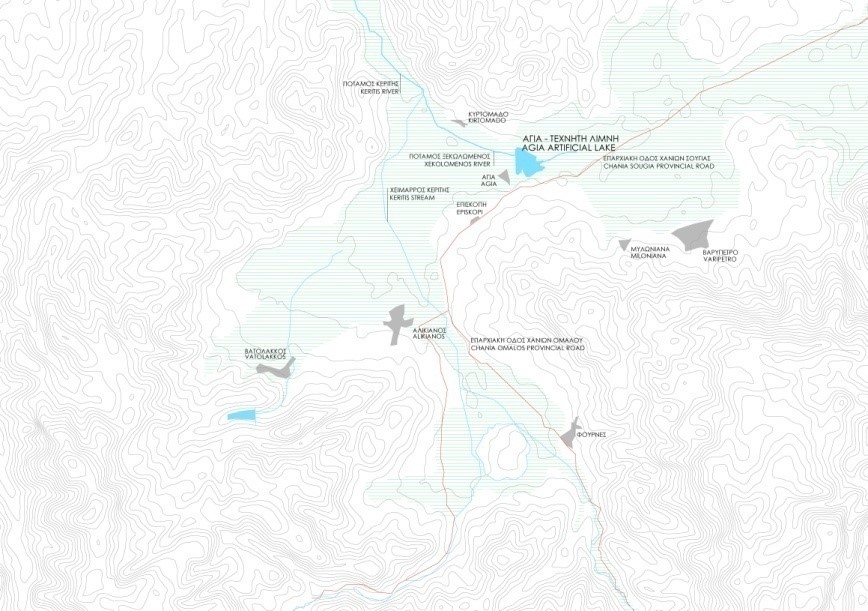

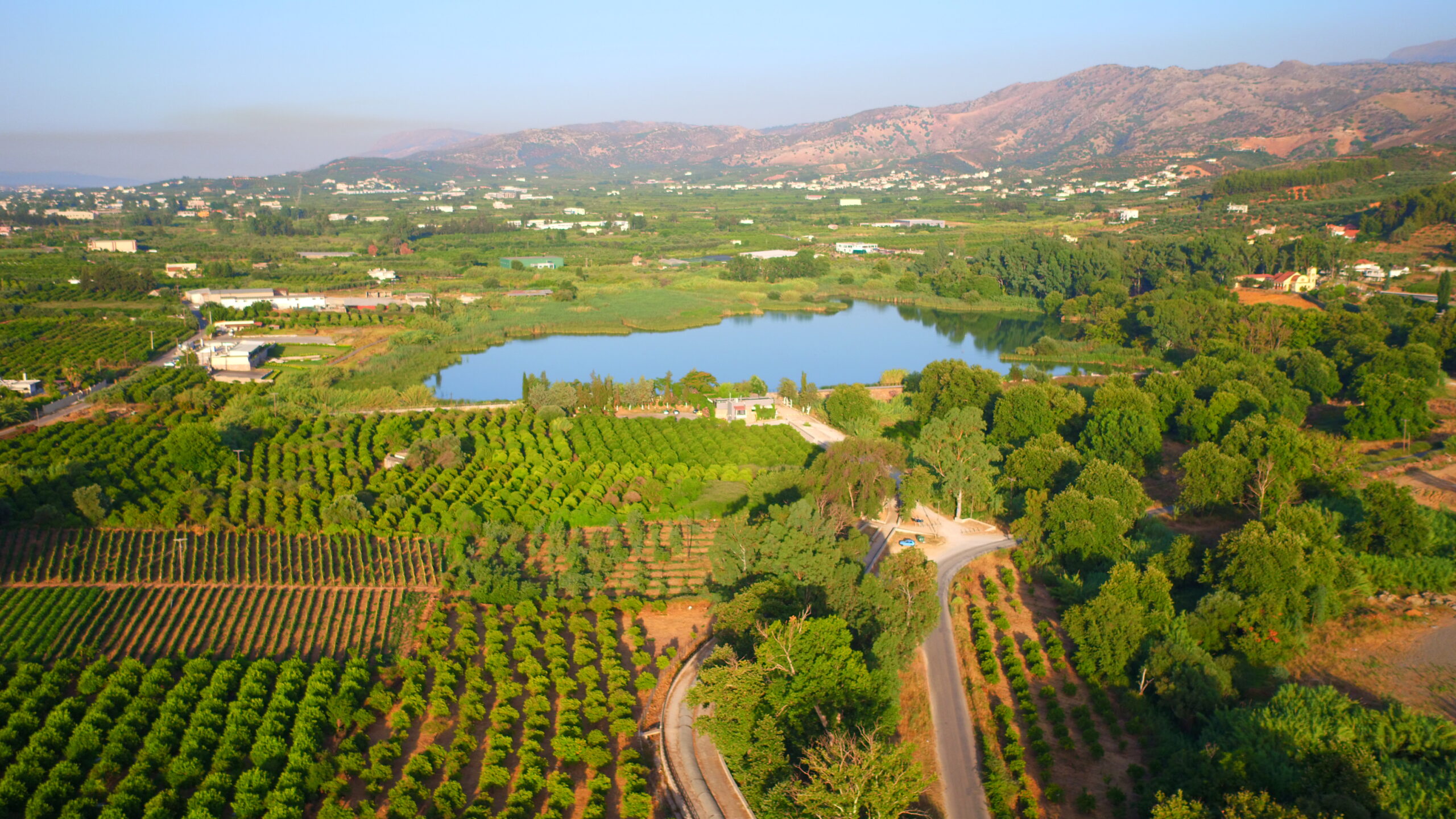
Just 9 km west of Chania, in the area of Agia, lies a serene oasis that is part of the NATURA 2000 ecological network. This artificial lake spans 450 stremmas (45 hectares) near the Fasa Valley, one of the wettest regions in Crete.
Originally a swamp fed by a tributary of the Keritis River, the lake was transformed after the construction of the Small Hydroelectric Power Plant (SHPP) Agia and its pipeline. Today, visitors can enjoy:
This area combines renewable energy infrastructure with ecological preservation, creating a unique blend of human engineering and natural beauty.
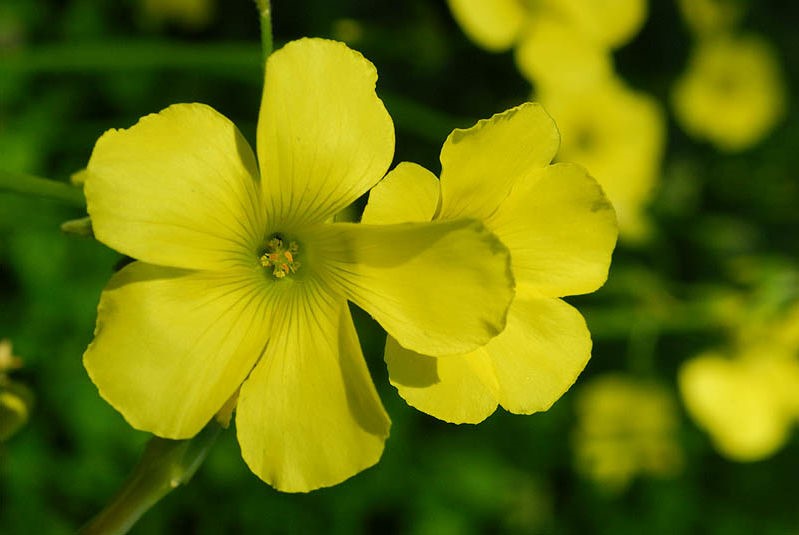
These plant clusters provide essential breeding, shelter, and resting sites for birds. The combination of open water, reed beds, and tree cover creates a mosaic of habitats that supports significant bird populations throughout the year, particularly during migration and wintering periods.

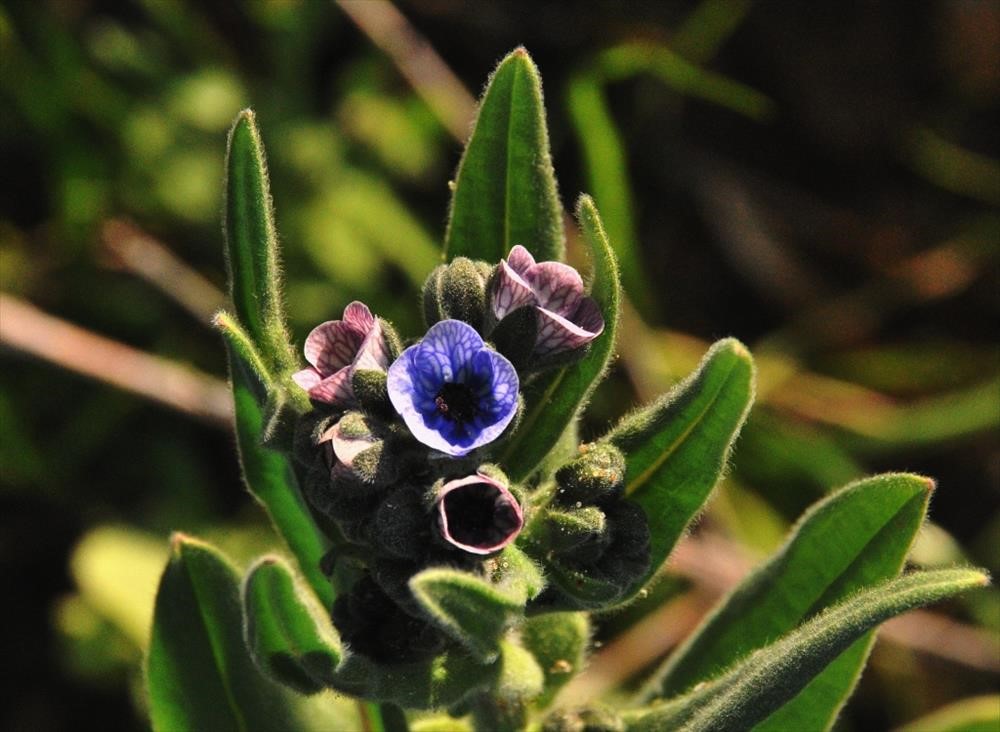
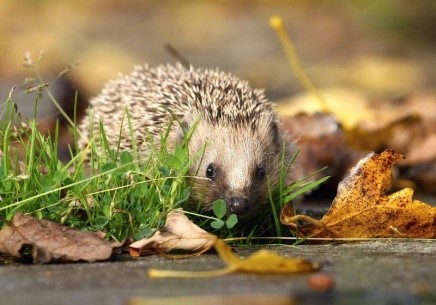
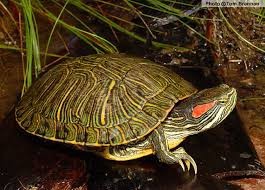
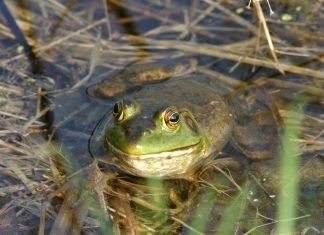
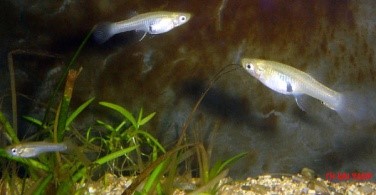
The artificial lake of Agia is a vital riparian wetland, acting both as a stopover for migratory birds heading to Africa and a wintering site for species from northern Europe. The diversity of habitats around the lake supports a wide range of fauna:
Birds
Migratory waders and waterbirds frequent the lake for resting or wintering, including:
Amphibians
Reptiles
Mammals
Fish and Introduced Species
The aquatic ecosystem hosts native fish, eels, and some introduced species like mosquitofish and goldfish, which have become part of the wetland’s food web.